What car engine size do I need?
Engines have become much more complex in the last few years, and knowing the difference between a naturally-aspirated 1.0-litre and a 1.0-litre turbocharged engine, for example, can mean a substantial difference in performance and price. With so many types of engines and engine sizes to choose from, how do I pick the right engine size for me?

The size of an engine is determined by the amount of space (volume) in an engine's cylinders. This is where the mixture of fuel and air is ignited to make the energy required to turn the wheels. All in all, it's the volume between all the cylinders that denotes a vehicle's engine size.
The number of cylinders in an engine can vary greatly from vehicle to vehicle and typically ranges from three cylinders to 12. The highest number of cylinders are usually found in large, powerful supercars and big, burly SUVs. But generally, the smaller the engine size and the smaller the engine capacity, the more fuel-efficient the car. Most engines have four cylinders, but recently there's been an upsurge in turbocharged three-cylinder engines as manufacturers jump on the downsizing train. There's a huge movement towards greener motoring ie. lower emissions and smaller turbocharged engines are much nicer to the environment than large, naturally aspirated ones.
Before we delve into engine sizes, we recommend that you familiarize yourself with the types of engines we find in cars today. This article of Chad's will give you the best engine background before you start hunting for cars:
Car engine types, explained
Ready to start looking? Ask yourself the following questions first:
1. What is my budget?

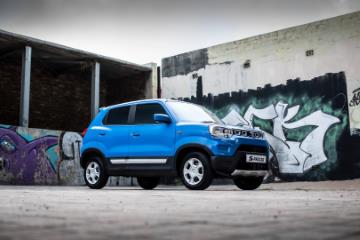
If you can only afford an entry-level car, you're looking at a small, naturally aspirated car with a small engine, probably a 3-cylinder 1.0-litre, four-cylinder 1.2-litre, or a four-cylinder 1.4/1.5/1.6-litre at best. Naturally aspirated means that it makes no use of a turbo. The upside to naturally-aspirated engines is that they require less maintenance over time, because there are fewer moving parts than we find in turbocharged engines. Cars in this category include the Toyota Agya (pictured above), the now-discontinued Toyota Etios, Suzuki S-Presso, Kia Picanto, and VW Polo Vivo, among others. (If you're cash-strapped and in need of a small car that's relatively safe and not too slow, my choice would be the Etios, because it has a decent amount of power for such a small and affordable car.)
In the entry-level segment of the market, you also find cars like the Fiat 500 which make do with a tiny, two-cylinder turbocharged engine. Its performance is quite peppy, due in part to its small body which makes for an excellent power-to-weight ratio.
2. Am I buying new or used?
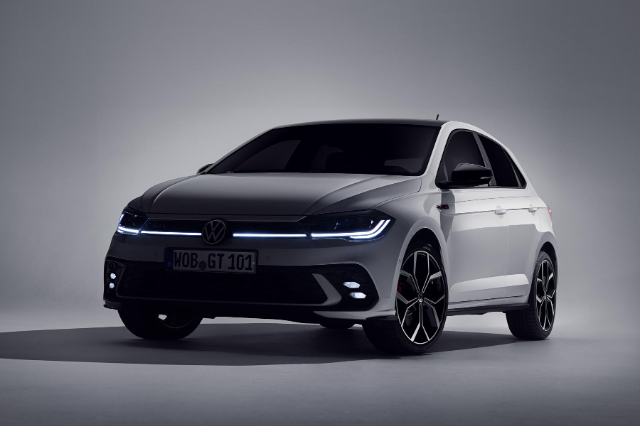
Buying used is advised if you're looking for value for money, as a car starts to depreciate the moment you drive it from the showroom floor. For the same money as a new, naturally-aspirated, 1.4-litre Polo Vivo Comfortline (R246 000) you can buy a larger, more powerful SUV such as a 2017 Honda CR-V 2.0 Comfort with 90 000 km. Thinking of something with a turbo? Just remember that turbocharged models will incur more maintenance as the years go by. Check how much time is left on the warranty/service plan. Personally, when buying used, I would probably stick with a non-turbocharged engine if I am planning to drive the car until its wheels fall off one day. (Got megabucks? We're salivating about the new Golf GTI, above.)
3. Where will I mostly be travelling, who will be on board, and what's my driving style like?

If your daily route requires relaxed driving in heavy traffic and not too much highway driving, you'll probably be quite content with a small naturally-aspirated or turbocharged engine like a 1.2, 1.4, 1.5 or 1.6. If you tend to drive cars hard, it's best to opt for a larger engine which will take less strain. Think of a car as a person and the engine as the heart. There's a reason why people who are very overweight have cardiac issues. The larger the person, the harder the heart (or engine) has to work.
If you're towing a trailer, caravan or boat regularly, for example, rather opt for a larger engine such as a 2.0-litre, 3.0-litre or even larger, depending on the size of whatever you're towing. We would also opt for diesel in this instance, as it's more economical. For this reason, leisure vehicles such as Toyota Fortuners and Ford Everests make perfect sense.
Lots of kids and their luggage on board? Larger SUVs with more potent engines will be more sensible than, say, a Datsun Go+ which seats seven but is powered by a measly little 1.2-litre engine without a turbo.
For myself and my family (we're four in total), I would probably opt for a used, compact to mid-size SUV with a 2.0-litre, naturally aspirated engine like a Toyota RAV4 or a Mitsubishi ASX. If I am buying new, I will probably go for a turbocharged compact SUV from the bigger brands like VW, Hyundai, Toyota, Kia and Suzuki which I will trade in or sell well before the warranty and service plans run out.
4. How important is performance to me?
Before we tackle the performance issue, you need to bear in mind that a naturally-aspirated 1.6-litre will have decidedly less power than a turbocharged 1.6-litre engine. I have a friend who used to drive a Mercedes-Benz ML. She desperately wanted a GLA instead but was completely put off by the fact that it only had a 1.6-litre (turbo) engine. After explaining the difference in power between turbocharged and naturally aspirated engines, she was happy to purchase the GLA since she realized that she would have the necessary power to overtake when needed.
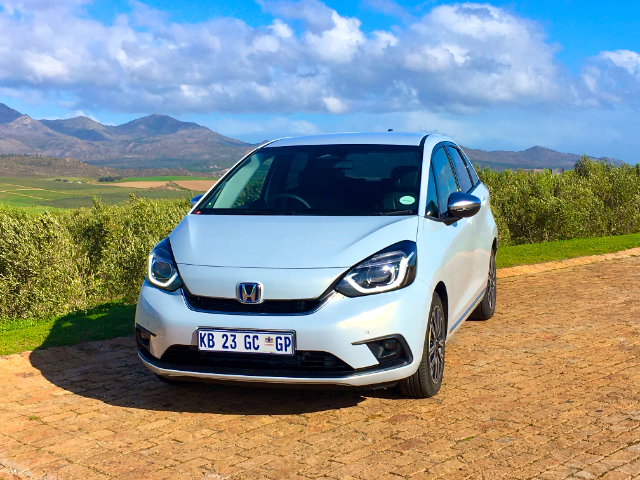
If you have a larger budget and you value performance, you really can take your pick. With money being no object, why not consider a hybrid (like the Honda Fit Hybrid pictured above) or an EV (electric vehicle)?
5. Can I afford the fuel and/or the maintenance?
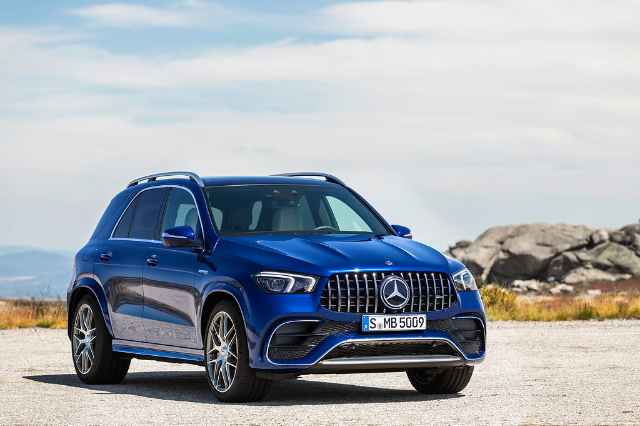
While we'd all like to drive fast cars, larger engines tend to guzzle fuel, especially the old-fashioned, naturally-aspirated engines like V6s and V8s. Nowadays, you'll be surprised at how efficient larger, turbocharged engines have become, often helped along by a mild hybrid system that offers a helpful power boost as well as aid lower emission figures. Do your research properly before committing to a new (or used) car.
What about hybrids and EVs?
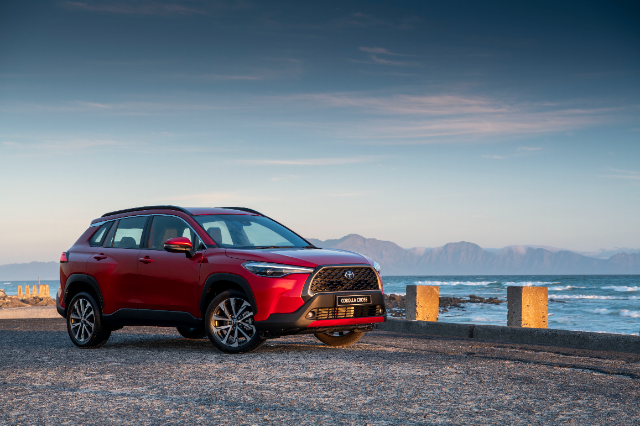
The shift to more efficient driving is happening, and if you can afford a hybrid, you'll be pleased to know that you can have your cake and eat it too. Hybrids offer good performance as well as good fuel economy, and hybrids are becoming more affordable as time goes by. SA's most affordable hybrid is the new Toyota Corolla Cross 1.8 XS Hybrid, which is a relatively affordable R413 000. Check out other cost-effective hybrids below:
What is the cheapest hybrid car? Here are the top 5 most affordable hybrids in SA (2021)
Full-electric EVs such as the Jaguar E-Pace and BMW iX are pricey and many people still have range anxiety, meaning that it's difficult to plan your trip if you don't know where you'll find the next charging station. If you're a city dweller and you're thinking about an EV as your secondary vehicle, it's worth checking out, as charging your car at home is mostly more cost-effective than filing up at the petrol station, but locally-sold EVs are still only affordable to the upper classes. In overseas markets, EVs are often subsidised by the government to help with the global switch to greener driving. EVs are notoriously quick because electric power is instantaneous.