
New vs Old Honda Jazz: what are top 3 differences?
New vs Old Honda Jazz: what are top 3 differences?


By Chad Lückhoff
We look at the changes to the design, engines and space in the second and third generation Honda Jazz.
The Honda Jazz, known as the Fit in Japan and the US, was introduced in 2003 as a B-segment subcompact hatchback. With its pleasant styling, impressive versatility and Honda's renowned reliability, it soon turned into a firm favourite amongst the sensible, more mature buyer.
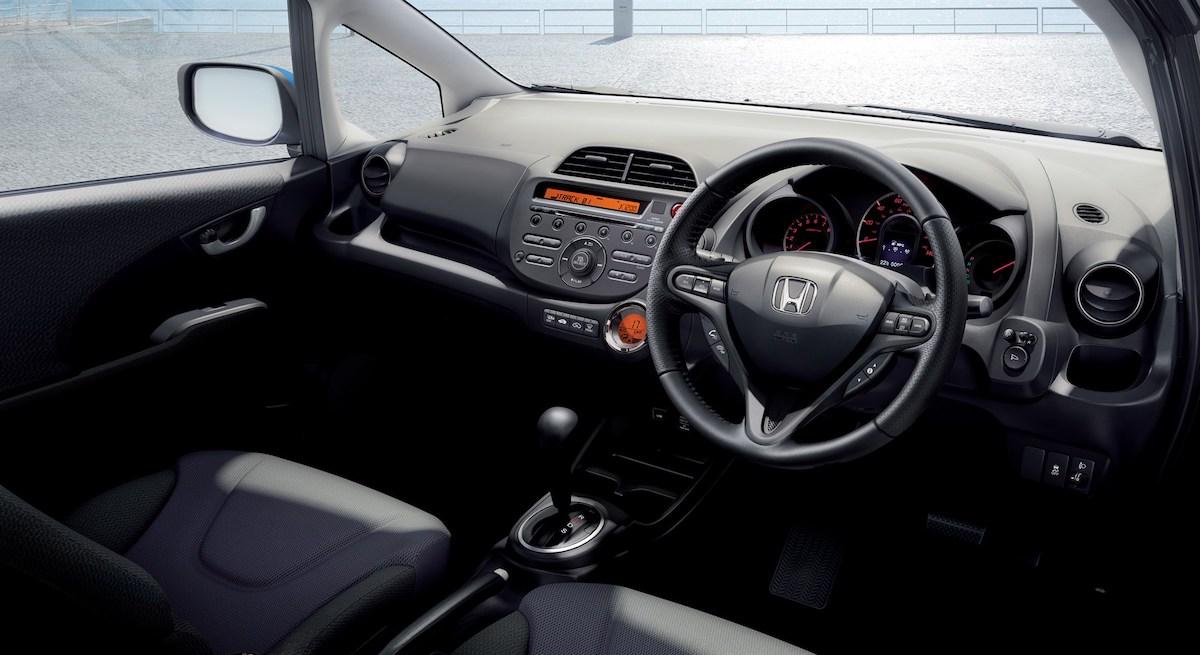
The second generation Jazz touched down in 2008 and then later received a facelift in 2011. It continued the trend of being a friendly, versatile hatchback with an endearing character.
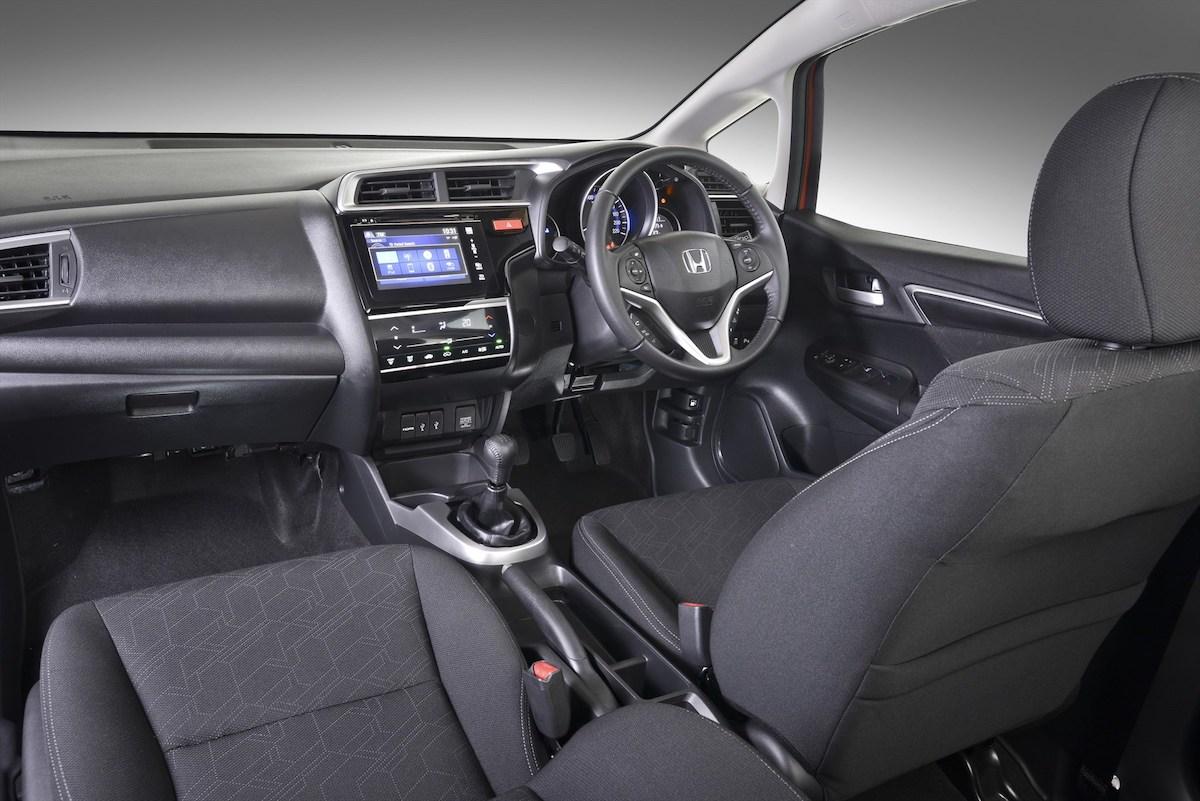
In 2015, the third and current version was released, further building on the foundation laid by the first two generations.
Here's how the third generation compares to the earlier, second-generation Honda Jazz.
All-new Construction
The latest Jazz features an all-new monocoque design that makes it stiffer, but lighter. This allowed the engineers at Honda to redesign the suspension and steering to improve the ride quality. As a result, the current Honda Jazz has a longer wheelbase, which helps improve the stability on the road.
This new monocoque allowed the engineers to incorporate Honda's Advanced Compatibility Engineering (ACE) body structure. This meets and exceeds the necessary crash testing and provides a safer cabin for the occupants.
New Engine Offering
The second generation offered a choice of two engines, a 1.3-litre and a 1.5-litre. These made 73 kW / 127 Nm and 88 kW / 145 Nm respectively, both equipped with Honda's i-VTEC intelligent variable timing system.
2015 saw a new engine introduced to replace the 1.3-litre offering, a 1.2-litre i-VTEC mill that produces 66 kW and 110 Nm. The benefit comes in with fuel consumption. Where the old 1.3-litre returned figures of 5.8l/100km, the newer 1.2-litre engine returns a slightly better 5.6l/100km.
More Space and Practicality
The longer wheelbase that comes as a result of the redesign not only improves road manners but increases the cabin space and comfort as well. The additional 35mm on the wheelbase translates into a slightly roomier cabin. And the redesign allows for more luggage space, despite the fact that the roof line is 1mm lower.
Luggage space went from 337-litres with the seats folded up, to 363-litres. With the seats folded down, the number changed from 883-litres to a marginally smaller 881-litres.